Most luxury car owners believe heavier wheels improve stability, yet lightweight custom wheels reduce stopping distance by up to 15% while enhancing cornering precision. Wheel customization refers to tailored wheel design, materials, and manufacturing methods that optimize performance, aesthetics, and exclusivity for sports and luxury vehicles. This article explores customization types, materials, performance impacts, fitment considerations, manufacturing innovations, and debunks common misconceptions to guide enthusiasts toward informed wheel upgrade decisions. From carbon fiber kits to precision forged designs, modern customization transforms vehicle dynamics and style.
Table of Contents
- Introduction To Wheel Customization
- Types Of Wheel Customization And Materials
- Performance Impact Of Wheel Materials And Designs
- Customization For Aesthetics And Exclusivity
- Common Misconceptions About Wheel Customization
- Fitment And Compatibility Considerations
- Advanced Manufacturing Techniques In Wheel Customization
- Trade-Offs Between Weight, Durability, And Cost
- Conclusion: Selecting The Right Custom Wheels For Your Vehicle
- Explore Bespoke High-Performance Wheels At E6 Carbon
Key Takeaways
| Point | Details |
|---|---|
| Weight Reduction | Carbon fiber wheels weigh 40% less than forged aluminum, improving acceleration and handling. |
| Manufacturing Precision | CNC machining achieves tolerances within 0.01 mm, ensuring consistent performance and safety. |
| Design Flexibility | Multi-piece wheels offer bespoke finishes and fitment options for unique aesthetic expression. |
| Performance Gains | Reducing unsprung weight by 10 pounds per wheel improves braking efficiency by 8% to 12%. |
| Misconception Debunked | Heavier wheels reduce performance rather than enhance stability or ride quality. |
Introduction to Wheel Customization
Wheel customization encompasses the tailored selection and modification of wheel design, materials, and manufacturing processes to meet specific performance and aesthetic requirements. Luxury and sports car owners prioritize custom wheels because factory options rarely deliver the optimal balance of weight reduction, structural integrity, and visual exclusivity demanded by high-performance applications. Customization goals typically focus on minimizing unsprung weight to enhance acceleration and cornering, maximizing strength to withstand track abuse, and creating distinctive appearances that reflect personal style.
The customization process involves selecting construction methods like forging or carbon layup, choosing wheel types such as monoblock or multi-piece configurations, and specifying finishes ranging from powder coating to anodizing. Each decision impacts vehicle dynamics differently. For example, reducing rotational mass by switching to lighter wheels delivers measurable improvements in throttle response and braking distance. Beyond performance, customization addresses exclusivity through one-of-a-kind designs unavailable in mass production.
Key customization objectives include:
- Reducing unsprung weight to improve suspension responsiveness and handling precision
- Enhancing structural strength through advanced forging or carbon fiber construction
- Achieving precise fitment with custom offsets, widths, and bolt patterns
- Creating unique visual identity through bespoke finishes and design elements
- Integrating complementary upgrades like custom dashboard covers and steering trim customization for cohesive vehicle personalization
Customization transforms wheels from functional components into engineered performance tools that simultaneously express owner identity. Understanding available options empowers enthusiasts to make decisions aligned with their driving priorities and aesthetic vision.
Types of Wheel Customization and Materials
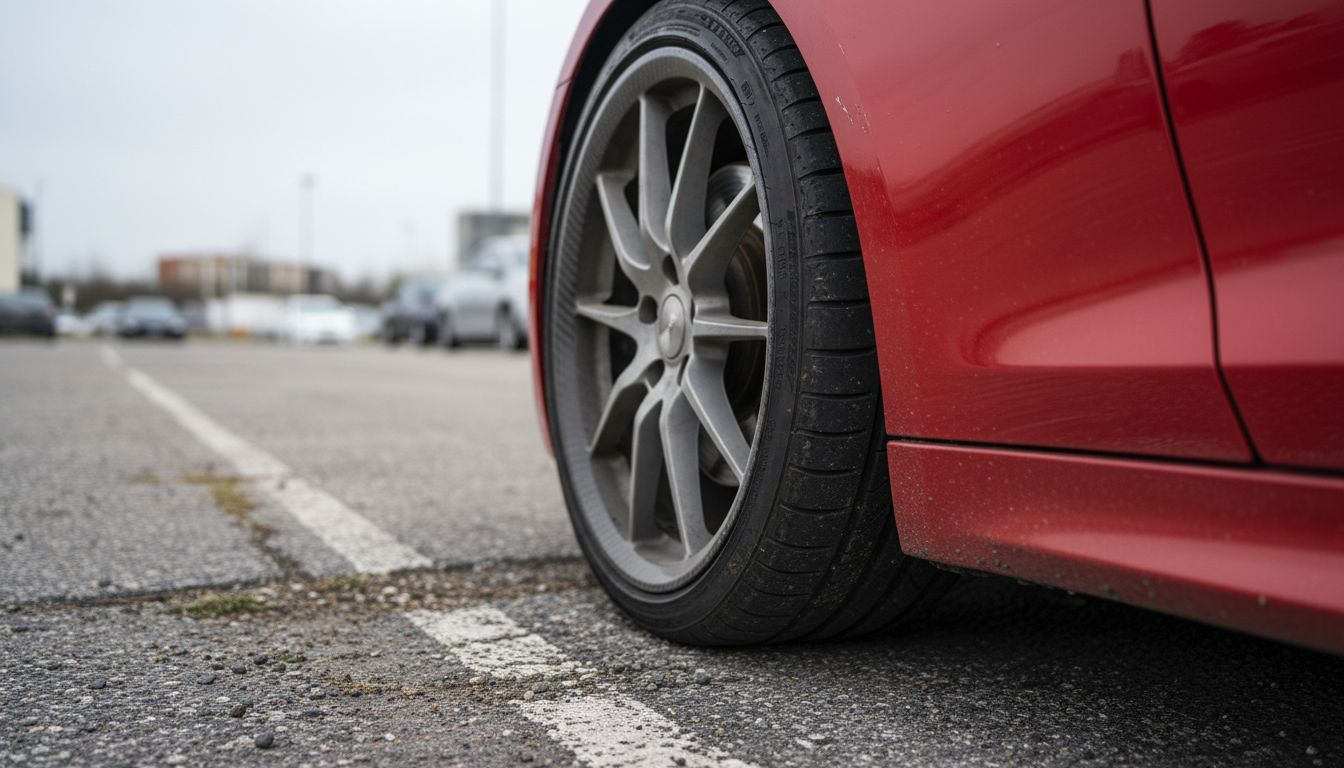
Different wheel construction methods and materials deliver distinct performance characteristics and customization possibilities. Forged wheels use hydraulic presses to compress aluminum billets under extreme pressure, creating dense grain structures with superior strength-to-weight ratios. Cast wheels pour molten aluminum into molds, resulting in heavier designs with lower structural integrity but reduced manufacturing costs. Carbon fiber wheels weigh approximately 40% less than forged aluminum counterparts, offering the ultimate weight savings for track-focused applications.
Wheel types vary by construction complexity and intended use. Monoblock wheels feature single-piece designs machined from forged blanks, delivering excellent rigidity and clean aesthetics favored by luxury car owners. Multi-piece wheels separate the barrel, face, and hardware into modular components, enabling limitless customization of finishes, widths, and offsets. Beadlock wheels mechanically clamp tire beads to prevent slippage during extreme cornering or low-pressure off-road use. AeroDisc wheels incorporate aerodynamic covers that reduce drag and improve cooling while maintaining visual impact.
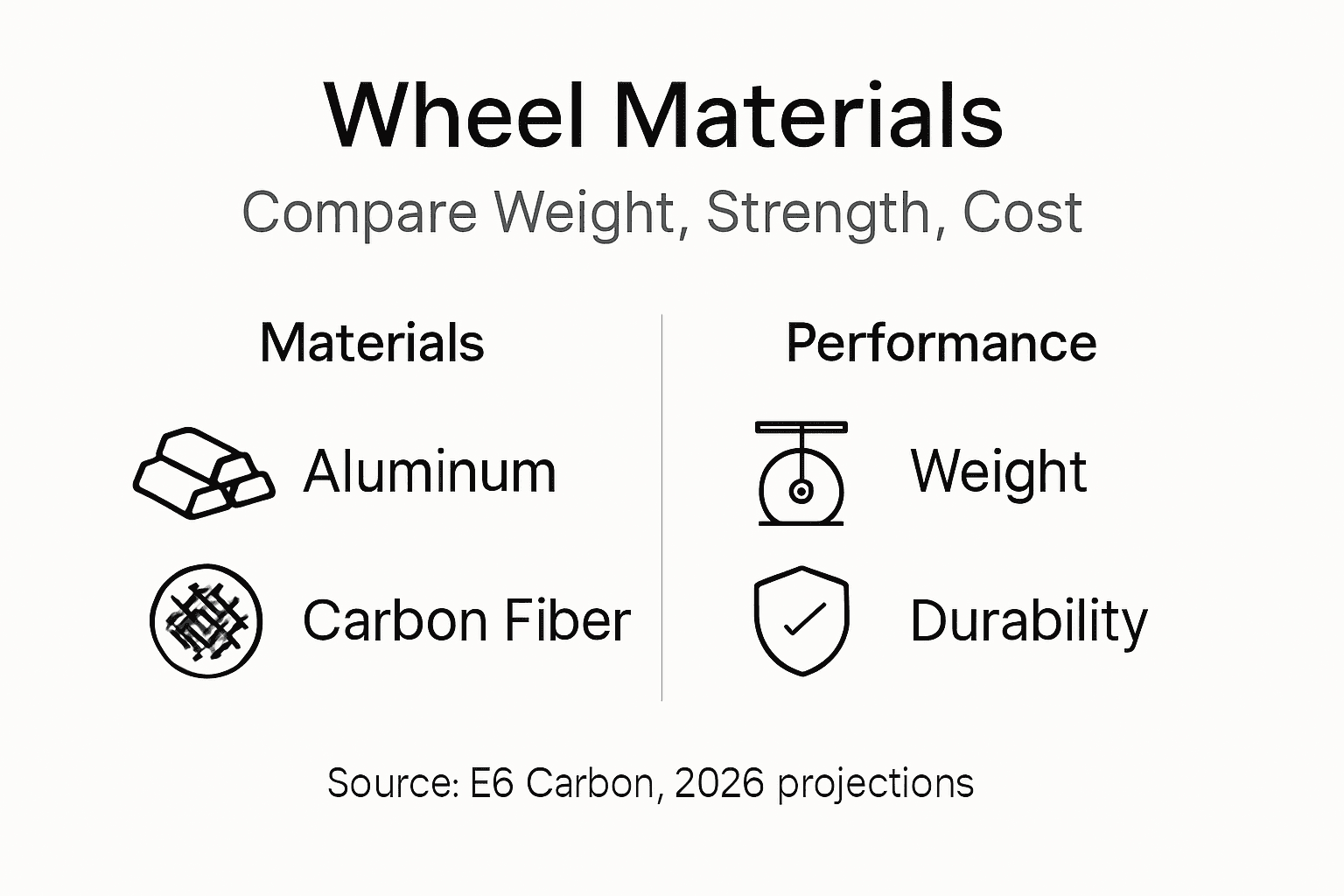
Material properties directly influence performance outcomes. Carbon fiber excels in racing applications where every pound matters but requires careful handling to avoid impact damage. Forged aluminum balances light weight with proven durability for both street and track driving. Cast aluminum suits budget-conscious builds where moderate weight penalties are acceptable. The table below compares key material characteristics:
| Material | Weight | Strength | Cost | Best Application |
|---|---|---|---|---|
| Carbon Fiber | Lightest | High | Highest | Track racing, maximum performance |
| Forged Aluminum | Light | Very High | Moderate-High | Street/track balance |
| Cast Aluminum | Heavy | Moderate | Lowest | Daily driving, budget builds |
Pro Tip: Match your wheel type to vehicle usage patterns. Choose monoblock forged wheels for elegant street cars prioritizing durability, multi-piece designs for show cars requiring unique fitment, and carbon fiber for dedicated track vehicles where weight reduction justifies higher costs.
Understanding material trade-offs and construction methods enables informed selection based on performance priorities, budget constraints, and aesthetic preferences. Each option delivers specific advantages that align with different driving scenarios and customization goals.
Performance Impact of Wheel Materials and Designs
Reducing unsprung weight through lighter wheel materials produces measurable improvements in vehicle dynamics. Every pound removed from rotating mass reduces the inertia that suspension components must control, allowing dampers and springs to respond faster to road irregularities. This translates to sharper turn-in, improved mid-corner stability, and more predictable handling characteristics. Acceleration benefits occur because the engine expends less energy spinning lighter wheels, delivering power to the ground more efficiently.
Braking performance gains particular advantage from reduced rotational mass. Lighter wheels require less force to decelerate, allowing brake systems to stop vehicles in shorter distances while generating less heat. Testing shows that removing 10 pounds of unsprung weight per corner improves braking efficiency by 8% to 12%, reducing fade during repeated high-speed stops. These gains compound during track driving where consistent braking performance determines lap times.
Quantified performance advantages include:
- Acceleration improves by 0.2 to 0.4 seconds in 0-60 mph times when switching from cast to forged wheels
- Cornering grip increases by 5% to 8% as reduced weight allows tires to maintain optimal contact patches
- Fuel economy improves by 1% to 3% from decreased rolling resistance and rotational inertia
- Suspension responsiveness enhances by 15% to 20% as dampers control lighter unsprung mass more effectively
Advanced CNC machining and forging improve wheel precision, reducing weight inconsistencies that cause vibrations and handling imbalances. Manufacturing tolerances within 0.01 mm ensure perfect roundness and balance, eliminating the need for excessive balancing weights that add mass back to wheels. This precision directly impacts ride quality and high-speed stability.
The cumulative effect of optimized wheel design creates noticeable differences in daily driving and dramatic improvements during spirited or competitive driving. Enthusiasts upgrading to multipiece wheels for performance or monoblock wheels performance applications report transformed vehicle character with sharper responses and increased confidence through corners.
Customization for Aesthetics and Exclusivity
Beyond performance benefits, wheel customization delivers visual distinction that separates luxury vehicles from factory configurations. Multi-piece wheels offer superior design flexibility through modular construction that allows different finishes on barrels, faces, and hardware. Owners can specify contrasting colors, combine polished lips with matte centers, or integrate custom engraving that reflects personal branding or vehicle themes.
Finish options extend beyond appearance to functional benefits. Powder coating creates durable surfaces resistant to brake dust and road salt corrosion. Anodizing aluminum produces hard oxide layers in various colors while improving scratch resistance. Ceramic coatings bond at molecular levels to prevent chemical etching from harsh cleaners or environmental contaminants. These treatments maintain appearance longer than factory finishes, preserving investment value.
Monoblock designs deliver understated elegance through seamless construction without visible hardware. The continuous surface allows intricate spoke patterns and clean lines impossible with multi-piece assembly. Luxury car owners favor this aesthetic for its refined appearance that complements sophisticated vehicle designs without overwhelming original styling cues.
Customization possibilities include:
- Unique spoke counts and geometries that create distinctive visual signatures
- Custom center cap designs incorporating owner logos or vehicle badges
- Specialized finishes like brushed titanium or diamond-cut faces for light reflection
- Color-matched or contrasting schemes coordinated with vehicle paint and interior trim
- Limited production runs ensuring exclusivity within enthusiast communities
Pro Tip: Combine aesthetic customization with functional finishes to maximize both beauty and durability. Specify ceramic coating on custom multipiece wheels to maintain show-quality appearance while protecting against daily driving hazards, or choose hard anodizing on monoblock wheel designs for lasting elegance with minimal maintenance.
Exclusivity remains a primary motivation for bespoke wheel investment. Custom specifications ensure no other vehicle shares identical configurations, creating one-of-a-kind expressions that reflect owner personality and automotive passion.
Common Misconceptions About Wheel Customization
Several persistent myths discourage potential buyers from exploring custom wheel benefits. The most common false belief suggests heavier wheels improve stability and ride quality through increased mass. Physics demonstrates the opposite: excess unsprung weight forces suspension components to work harder controlling wheel motion, reducing compliance over bumps and degrading handling precision. Lighter wheels allow suspensions to function as engineers intended, improving both comfort and performance.
Another misconception frames custom wheels as prohibitively expensive with questionable value. While initial costs exceed factory replacements, long-term benefits offset investment through improved fuel economy, reduced brake wear, and enhanced resale value. Premium wheels maintain condition longer than factory options, avoiding replacement costs over vehicle ownership periods. Performance and aesthetic improvements deliver daily satisfaction that justifies expenditure for enthusiasts prioritizing driving experience.
Concerns about fitment challenges and compatibility issues also deter buyers. Modern bespoke customization addresses these worries through precise measurements and computer-aided design that ensures proper clearance with suspension components, brake calipers, and fenders. Reputable manufacturers verify specifications before production, eliminating guesswork and installation problems common with mass-produced wheels offering limited sizing options.
Key misconceptions debunked:
- Heavier wheels do not improve stability; they reduce suspension effectiveness and increase stopping distances
- Custom wheel costs are balanced by performance gains, durability, and avoided replacement expenses
- Precise customization solves fitment challenges rather than creating them, preventing mechanical interference
- Lightweight wheels do not sacrifice strength when properly engineered through forging or carbon construction
- Maintenance requirements remain comparable to factory wheels when appropriate finishes are specified
Understanding these realities empowers informed decision-making based on facts rather than unfounded concerns. Custom wheels deliver measurable benefits that enhance vehicle capability and owner satisfaction when properly selected and installed.
Fitment and Compatibility Considerations
Successful wheel customization requires attention to critical fitment parameters that ensure safe installation and optimal performance. Offset measures the distance between the wheel’s mounting surface and centerline, determining how far wheels sit inboard or outboard relative to suspension components. Incorrect offset causes tire rubbing against fenders or suspension interference that damages components and creates dangerous handling characteristics.
Wheel width directly impacts tire fitment and contact patch characteristics. Wider wheels accommodate larger tires that improve grip but require verification of fender clearance during suspension compression and steering lock. Bolt pattern must match hub specifications exactly, as mismatched patterns prevent proper mounting or create dangerous wheel detachment risks. Center bore diameter ensures wheels center correctly on hubs, preventing vibrations from off-center mounting.
Bespoke customization addresses fitment complexity through precise specification of all dimensions based on vehicle measurements and intended tire sizes. Manufacturers verify clearances using CAD modeling that simulates suspension travel and steering angles before production begins. This process eliminates fitment issues that plague universal wheels designed for broad compatibility rather than specific applications.
Critical fitment specifications:
- Offset tolerances within +/- 5 mm prevent rubbing while maintaining proper suspension geometry
- Width selections balance tire contact patch optimization with fender clearance margins
- Bolt pattern verification ensures secure mounting with proper torque distribution across all fasteners
- Center bore machining eliminates vibration from hub-centric mounting requirements
- Brake caliper clearance confirmation prevents interference during wheel rotation
Working with experienced manufacturers offering multipiece wheel fitment options or monoblock wheel fitment expertise ensures proper specification from initial consultation through final installation. Professional fitment guidance prevents costly mistakes and safety hazards while maximizing performance benefits from custom wheel investment.
Advanced Manufacturing Techniques in Wheel Customization
Modern wheel manufacturing employs sophisticated technologies that enhance quality, precision, and performance characteristics. CNC machining uses computer-controlled cutting tools to achieve dimensional accuracies within 0.01 mm, ensuring perfect roundness and balance that eliminate vibrations at any speed. This precision allows manufacturers to minimize material usage while maintaining structural integrity, reducing weight without compromising safety margins.
Forging processes compress aluminum billets under pressures exceeding 10,000 tons, aligning metal grain structures for maximum strength in critical stress areas. This technique creates wheels 20% to 30% lighter than cast equivalents while improving impact resistance and fatigue life. The density achieved through forging allows thinner spoke designs that reduce rotational mass while maintaining load ratings required for high-performance applications.
Advanced CNC machining and forging improve wheel precision and repeatability, reducing weight inconsistencies and enhancing structural integrity in custom wheels. Manufacturing consistency ensures every wheel in a set performs identically, eliminating balance variations that cause handling unpredictability. Quality control systems verify dimensional accuracy, structural soundness, and finish quality before wheels ship to customers.
Manufacturing advantages include:
- CNC precision eliminates human error and ensures consistent results across production runs
- Flow-formed barrel construction stretches and compresses aluminum for optimized strength-to-weight ratios
- Heat treatment processes refine grain structures for maximum material properties
- Automated quality inspection catches defects before wheels reach customers
- Digital design integration allows rapid prototyping and customization without tooling delays
“Manufacturing precision determines the difference between adequate wheels and exceptional ones. Tolerances measured in hundredths of millimeters separate premium custom wheels from mass-produced alternatives, delivering performance and reliability that justify investment.”
These technological capabilities enable manufacturers to produce wheels meeting exact customer specifications while maintaining the structural integrity and quality standards demanded by luxury and sports car applications. Advanced manufacturing transforms raw materials into precisely engineered components that enhance vehicle performance and aesthetics.
Trade-Offs Between Weight, Durability, and Cost
Selecting optimal wheels requires balancing competing priorities of weight reduction, structural durability, and budget constraints. Carbon fiber delivers maximum weight savings but commands premium pricing and requires careful handling to avoid impact damage from potholes or curb strikes. Forged aluminum offers excellent strength-to-weight balance at moderate costs, suitable for enthusiasts seeking performance improvements without extreme budgets or fragility concerns.
Cast aluminum wheels provide the most affordable entry into customization but carry weight penalties that limit performance gains. These wheels suit daily drivers prioritizing appearance upgrades over measurable dynamic improvements. Durability varies by intended use, with track applications demanding the impact resistance and heat dissipation of forged or carbon construction.
| Wheel Type | Cost Range | Weight Savings | Durability | Best Use Case |
|---|---|---|---|---|
| Carbon Fiber | $$$$ | 40% | Moderate | Dedicated track cars |
| Forged Aluminum | $$-$$$ | 20-30% | Very High | Street/track dual purpose |
| Cast Aluminum | $ | 0-10% | Moderate | Daily driving, appearance |
Long-term ownership costs favor lighter wheels through reduced fuel consumption and decreased brake wear. Vehicles equipped with lightweight wheels achieve 1% to 3% better fuel economy over thousands of miles, accumulating meaningful savings. Reduced rotational mass decreases brake system stress, extending pad and rotor life by 10% to 15% compared to heavy factory wheels.
Decision factors when selecting wheels:
- Track drivers prioritize weight savings and heat resistance over cost considerations
- Street enthusiasts balance performance gains with durability for pothole-prone roads
- Show car builders emphasize aesthetic flexibility and unique finishes over weight reduction
- Budget-conscious owners accept moderate weight penalties for affordable appearance upgrades
- Multi-vehicle collectors invest in premium wheels for flagship cars while choosing forged options for daily drivers
Understanding these trade-offs enables strategic decisions aligned with driving priorities, usage patterns, and financial parameters. No single wheel type suits all applications, making personalized evaluation essential for optimal results.
Conclusion: Selecting the Right Custom Wheels for Your Vehicle
Wheel customization delivers measurable performance improvements and distinctive aesthetics when properly matched to vehicle characteristics and owner objectives. The knowledge shared throughout this article empowers enthusiasts to evaluate materials, construction methods, fitment requirements, and manufacturing quality with confidence. Reducing unsprung weight through forged or carbon wheels enhances acceleration, braking, and handling while advanced manufacturing ensures precision and reliability.
Aesthetic customization transforms vehicles into personal expressions through bespoke designs, exclusive finishes, and one-of-a-kind specifications unavailable in factory configurations. Proper fitment verification prevents installation issues and safety hazards while maximizing performance benefits. Understanding manufacturing techniques helps buyers recognize quality differences that justify premium pricing and deliver long-term satisfaction.
Final selection tips for enthusiasts:
- Prioritize weight reduction for track-focused builds where performance justifies costs
- Choose forged aluminum for balanced street/track applications requiring durability
- Specify multi-piece construction when unique aesthetics and fitment flexibility are priorities
- Verify manufacturer capabilities in CNC machining and quality control processes
- Work with experienced consultants who understand vehicle-specific fitment requirements
- Consider total ownership costs including fuel savings and maintenance reductions
Successful customization aligns wheel specifications with intended vehicle use, driving style, and aesthetic vision. The investment in properly engineered custom wheels pays dividends through enhanced driving experience, improved vehicle capability, and lasting visual distinction that elevates automotive passion to new heights.
Explore Bespoke High-Performance Wheels at E6 Carbon
E6 Carbon specializes in premium forged wheels engineered for luxury and sports vehicle enthusiasts demanding uncompromising quality and performance. The AR01 Multipiece Wheels deliver limitless customization through modular construction, allowing unique finish combinations and precise fitment specifications tailored to your exact requirements.
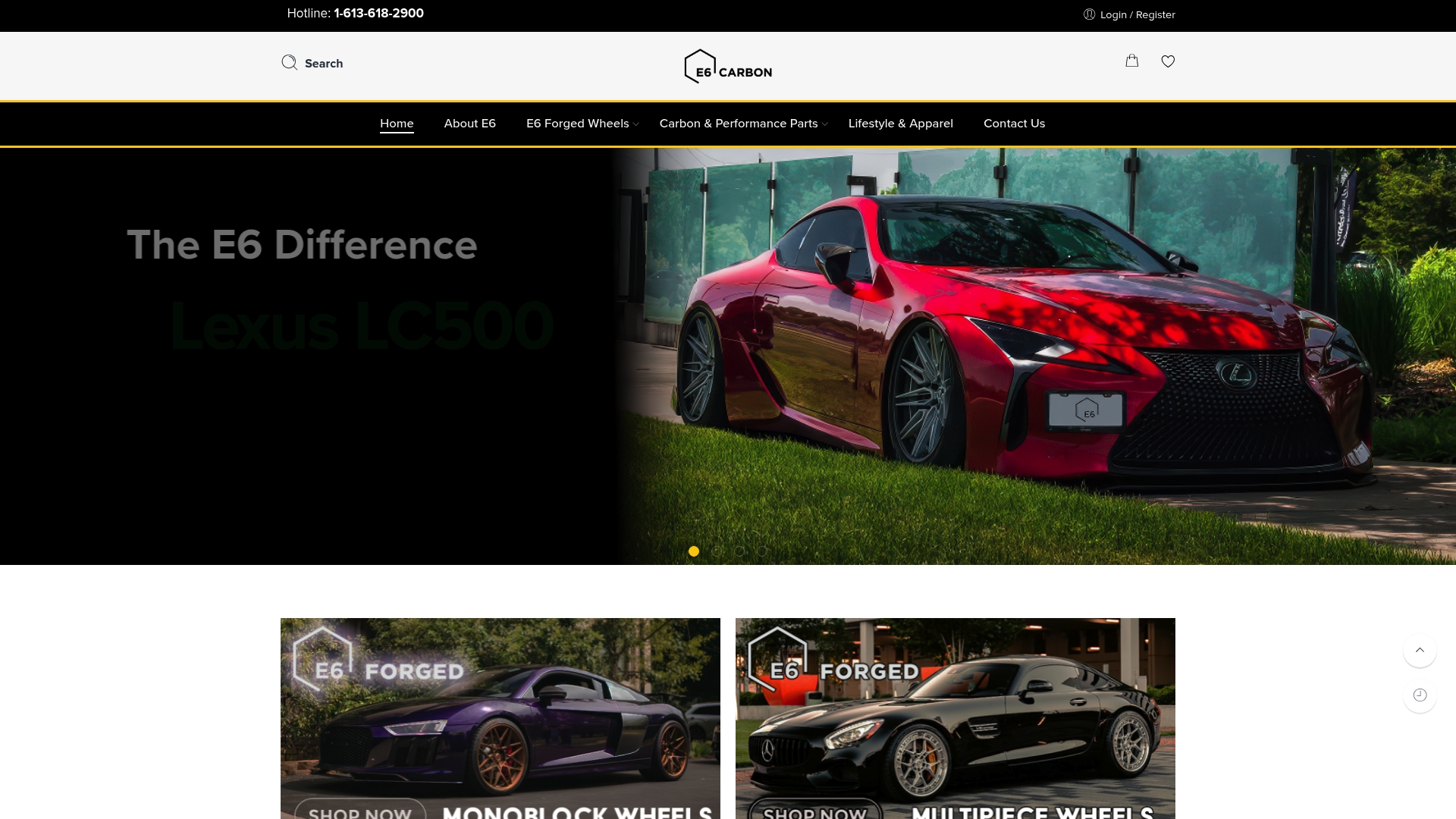
For enthusiasts preferring seamless monoblock elegance, the S10M Monoblock Wheels combine refined aesthetics with track-proven durability through advanced forging and CNC precision. Every wheelset undergoes rigorous quality control ensuring dimensional accuracy within 0.01 mm and structural integrity exceeding industry standards. Explore the complete collection at E6 Carbon to discover how bespoke wheel solutions transform your vehicle’s performance and presence.
FAQ
What is the difference between forged and cast wheels?
Forged wheels compress aluminum under extreme pressure, creating denser grain structures that deliver 20% to 30% weight savings and superior strength compared to cast wheels. Cast wheels pour molten aluminum into molds, resulting in heavier designs with lower impact resistance suited for budget-conscious applications.
Can custom wheels improve my car’s handling?
Yes, lightweight custom wheels reduce unsprung weight by 10 to 20 pounds per corner, allowing suspension components to respond faster to road conditions. This improvement enhances cornering precision, reduces body roll, and delivers measurable gains in steering responsiveness and stability.
Are bespoke wheels compatible with all luxury cars?
Bespoke customization ensures wheels match exact vehicle specifications including bolt pattern, offset, width, and center bore dimensions. Manufacturers verify clearances with brake calipers, suspension components, and fenders before production, ensuring proper fitment on specific luxury car models without mechanical interference.